Who Owns the Mark? Scope of Employment and Implied License Lessons from the TTAB
DISTRICT OF FASHION // DOWNTOWNDC DISTRICT OF FASHION
• Core Issue: Whether a trademark created by an employee during the term of their employment belongs to the employee or the employer, analyzed under the framework of prior rights and the likelihood of confusion under DuPont factors.
Overview
This case is a TTAB precedent.
The legal dispute in this case serves as a significant precedential reminder of the complexities surrounding intellectual property ownership within the employer-employee relationship.
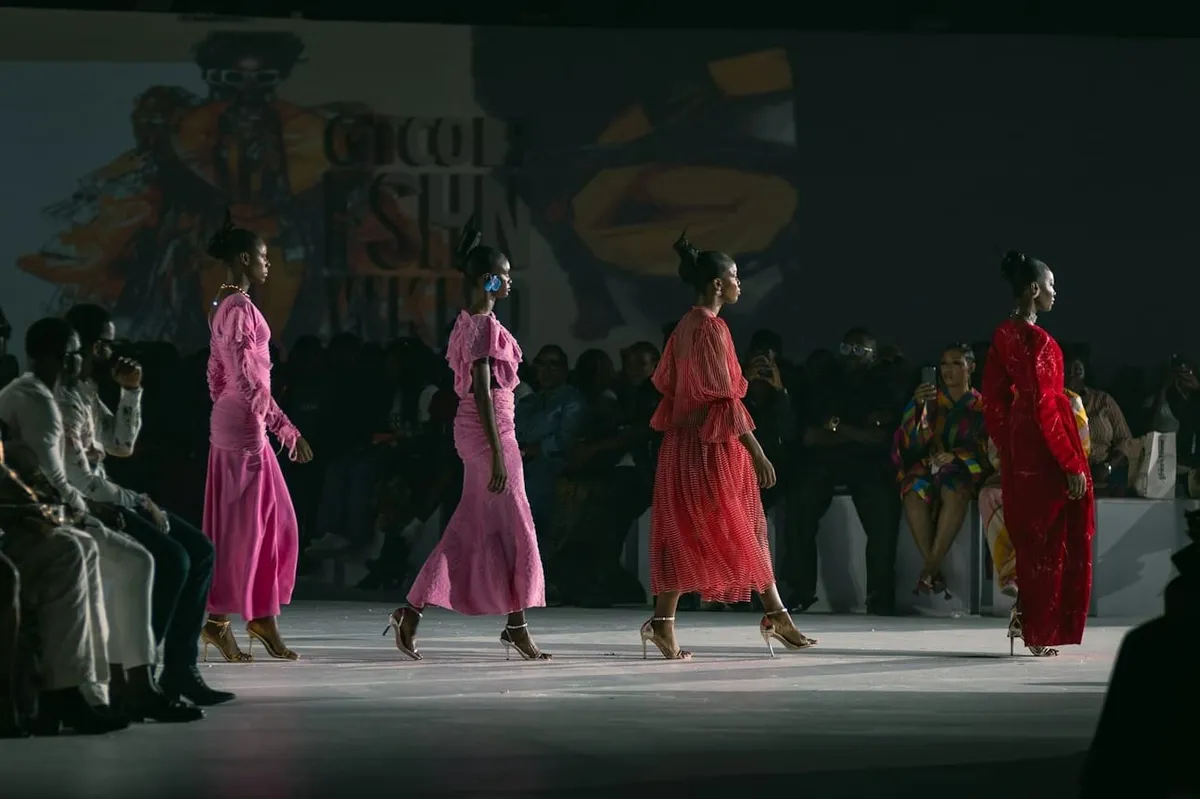
The case centered on the mark DISTRICT OF FASHION, which the Applicant sought to register for various fashion show organization services. The Applicant's former employer opposed the registration, asserting superior common law rights to the mark DOWNTOWNDC DISTRICT OF FASHION through its prior use in producing high-end runway events. The central conflict rested on whether the Applicant, as an employee of the BID, could claim personal ownership of a brand she conceptualized, developed, and managed while receiving a salary and bonuses from the organization.
The Board’s analysis explored issues including the scope of employment, trying an unpled defense through implied consent, and the evidentiary requirements for establishing an implied license.
Background
The Applicant filed an application on intent-to-use basis, seeking to register the mark DISTRICT OF FASHION in standard characters for "Fashion show exhibitions for commercial purposes; Organization of fashion shows for commercial purposes; Organization of fashion shows for commercial purposes; Organization of fashion shows for promotional purposes" in International Class 35.
The DowntownDC Business Improvement District filed an opposition on the grounds of likelihood of confusion under Section 2(d), based on its prior common law use of DOWNTOWNDC DISTRICT OF FASHION, and a claim of fraud. The Opposer had a pending application at the time of the opposition.
The factual timeline began in May 2016, when the Opposer hired the Applicant as a Digital Content and Design Assistant. Her duties involved managing digital assets, social media, and supporting event functions. Upon learning of her background in high-end fashion production, the Opposer tasked her with developing an indoor runway show concept. Between 2018 and 2019, the Applicant co-directed three major fashion events under the DISTRICT OF FASHION branding.
In March 2021, following a period of pandemic-related furloughs within the organization, the Opposer eliminated the Applicant’s position. Shortly after her termination, the Applicant sought to register the mark in her own name, prompting the Opposer to issue a cease-and-desist letter and initiate this opposition.
Analysis
The Board began by addressing several procedural and preliminary matters.
Both parties submitted transcripts of audio recordings (a Zoom meeting and a telephone conversation) under notices of reliance. While the Board noted that such transcriptions are typically not admissible under a notice of reliance, it found that because both parties submitted the same documents, they had effectively stipulated to their admission. Authentication was completed by the third-party transcription service establishing the identities of the speakers, and neither party disputed the accuracy of the written text.
The Board also addressed unpled issues, specifically an abandonment defense and an implied license defense. The Board deemed the abandonment defense moot because the Opposer restricted its claim of prior rights to September 2018. However, it found the implied license defense had been tried by implied consent, as both parties provided extensive testimony and arguments on the matter.
Entitlement
To oppose the trademark registration, the Opposer had to establish an interest falling within the statute's protected zone of interests, which requires demonstrating a real interest in the proceeding and a reasonable belief of damage.
The Opposer relied on witness testimony demonstrating its active use of the DOWNTOWNDC DISTRICT OF FASHION mark in connection with high-fashion runway shows. Additionally, the Applicant admitted that the Opposer had filed a trademark application for the mark with the USPTO for fashion show services.
The Board ruled that the Opposer's witness testimony and trademark application were sufficient to establish a real interest and a reasonable belief of damage. With statutory entitlement established for one claim, the Board noted it was established for all asserted claims.
Priority
The heart of the Board’s analysis involved determining who owned the proprietary rights to the DISTRICT OF FASHION mark.
Both parties claimed prior rights to the mark based on the exact same use: fashion shows produced in the District of Columbia in 2018 and 2019. The central conflict was whether the Applicant created the mark outside the scope of her employment and whether the Opposer's use of the mark was merely authorized through an implied license.
The Applicant argued that she created the mark outside the scope of her employment, workshopping the name at home and developing the brand identity as her own intellectual property. She further argued that any use of the mark by the Opposer was under an implied license that inured to her benefit.
The Opposer countered that the mark was developed as part of a funded corporate initiative and that all goodwill created by the fashion shows belonged to the organization. The Opposer firmly disputed the existence of an implied license, maintaining that the Applicant was an employee officially assigned as a dedicated staff member to work on the fashion show initiative.
The Board sided with the Opposer, concluding that the Applicant performed the fashion show work well within the scope of her employment.
The Board looked to the Restatement (Third) of Agency to determine the scope of employment. It found that while the Applicant’s initial job description did not explicitly list "fashion show production," her appointment letter included the catch-all phrase "other event functions as needed." The Board also pointed to the Applicant's performance evaluations for 2018 and 2019, which specifically evaluated her work on the DISTRICT OF FASHION events.
The Board found that the Opposer exercised significant control over the project. The Opposer executed a Memorandum of Agreement (MOA) with the Commission on Fashion Art Events (CFAE), which listed the Applicant and another BID employee as "dedicated staff members." The Opposer spent over $100,000 on promotion and an additional $12,000 for a public relations firm. The Applicant was required to submit all invoices and quotes to the Opposer’s senior management for express approval. Furthermore, the Applicant received her regular salary and specific bonuses for her work on the fashion shows. The Board concluded that these facts created a prima facie presumption that the Applicant’s activities were performed as a representative of the Opposer.
The Board sided with the Opposer, concluding that the Applicant performed the fashion show work well within the scope of her employment.
The Board looked to the Restatement (Third) of Agency to determine the scope of employment. It found that while the Applicant’s initial job description did not explicitly list "fashion show production," her appointment letter included the catch-all phrase "other event functions as needed." The Board also pointed to Applicant's performance evaluations for 2018 and 2019, which specifically evaluated her work on the DISTRICT OF FASHION events.
The Board found that the Opposer exercised significant control over the project. The Opposer executed a Memorandum of Agreement (MOA) with the Commission on Fashion Art Events (CFAE), which listed the Applicant and another BID employee, as "dedicated staff members." The Opposer spent over $100,000 on promotion and an additional $12,000 for a public relations firm. The Applicant was required to submit all invoices and quotes to the Opposer’s senior management for express approval. Furthermore, the Applicant received her regular salary and specific bonuses for her work on the fashion shows. The Board concluded that these facts created a prima facie presumption that the Applicant’s activities were performed as a representative of the Opposer.
The Board then scrutinized the Applicant's "implied license" defense. It noted that an implied license arises from the objective conduct of the parties, not unilateral expectations. The record showed no evidence of a license agreement or payments made to the Applicant for the use of the mark. A transcribed telephone conversation between the Applicant and the Opposer’s former CEO explicitly stated that because she was an employee, her creative ideas brought to the BID were the property of the organization. Overall, the Board found that the parties' objective conduct did not support an implied license.
Consequently, the Board ruled that the use of the mark inured entirely to the Opposer's benefit, thereby granting the Opposer priority and ultimate entitlement to the mark.
DuPont #1: Similarity of the Marks
The Board compared the Applicant’s mark DISTRICT OF FASHION with the Opposer’s mark DOWNTOWNDC DISTRICT OF FASHION. It applied the standard test of comparing appearance, sound, connotation, and commercial impression. Notably, because the Opposer's priority depends on its earlier usage, its common law rights apply to the mark as actually used: in a simple block font or lettering, and sometimes accompanied by a design.
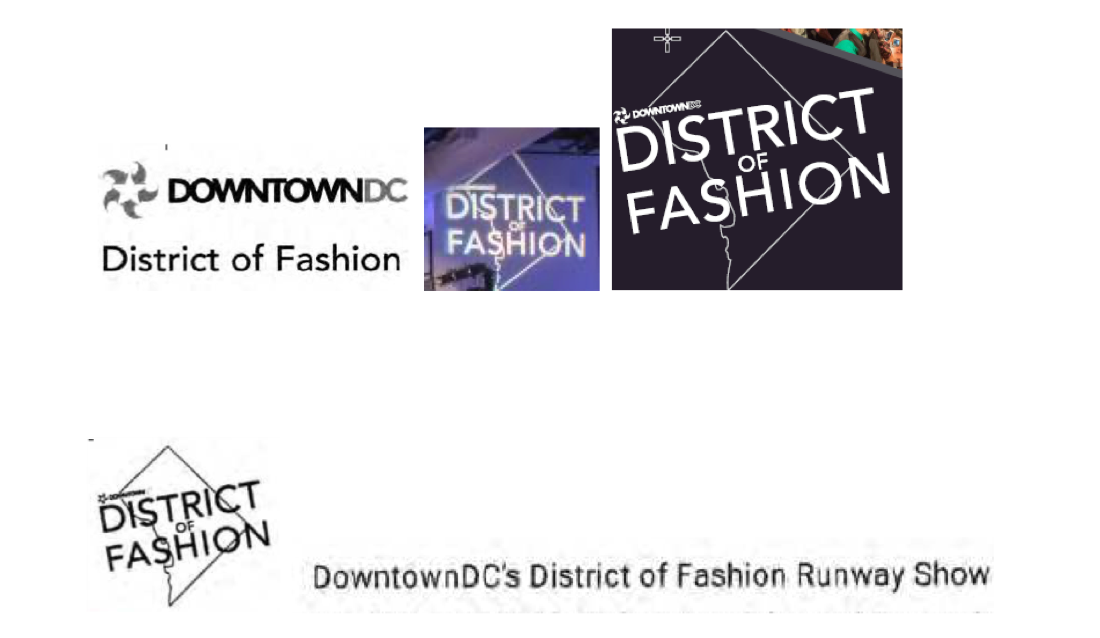
The Board noted that the Opposer’s mark encompasses the entirety of the Applicant’s mark. While the Opposer’s mark included the house mark "DOWNTOWNDC," the Board determined this portion was geographically descriptive of the location of the services and thus entitled to less weight in the likelihood of confusion analysis.
The Board observed that the Applicant’s mark was in standard characters, meaning it could be displayed in any font, including the simple block font used by the Opposer. Because DISTRICT OF FASHION formed the most significant portion of both marks, the Board found that consumers would likely view them as variations of each other originating from the same source.
Furthermore, the Applicant’s own admission in discovery that the marks were "substantially similar" further supported this finding. Thus, the Board ruled that the marks were similar in sound, meaning, and overall commercial impression.
DuPont #2: Similarity of the Services
The Board evaluated the relatedness of the services by comparing the descriptions in the application with the Opposer’s established prior use. The Applicant’s application covered fashion show exhibitions and the organization of shows for commercial and promotional purposes. The Opposer’s evidence established that it had used its mark for producing and promoting high-end runway shows in the District of Columbia.
The Board emphasized that if relatedness is established for even one of the identified services, it is sufficient for a finding of likelihood of confusion. In this case, the services were found to be identical in part. The Board noted that this factor weighed heavily in favor of the Opposer, as the core functions of both parties were to organize and execute fashion show events for the public and the fashion industry.
DuPont #3: Trade Channels and Classes of Purchasers
In analyzing the third DuPont factor, the Board reviewed the evidence regarding where and to whom the services were marketed. Because the Opposer relied on common law rights, it was required to establish its trade channels on the record without the benefit of the presumptions afforded by a federal registration. The Board looked to the marketing statistics and testimony provided by the Opposer’s Executive Director.
The evidence showed that the fashion shows targeted male and female fashion influencers, bloggers aged 25-60, millennials, stylists, and fashion buyers. The marketing campaign utilized digital media, print materials, and social media platforms. The Applicant admitted during discovery that her services were offered to the general public and specifically targeted millennials, models, designers, and fashion media. She also admitted her services would be advertised in the District of Columbia.
Given these admissions and the overlapping nature of the promotional methods, the Board found that the trade channels and classes of consumers were identical, further supporting a likelihood of confusion.
Board’s Decision
The TTAB sustained the opposition under Section 2(d) of the Trademark Act. The Board held that the Opposer had established its priority through the use of the mark by its employee within the scope of her employment. The Board found that the Applicant failed to provide competent and convincing proof of an implied license or personal ownership.
Based on the similarity of the marks, the identity of the services, and the overlapping trade channels, the Board concluded that a likelihood of confusion existed. Having resolved the case under Section 2(d), the Board declined to reach the Opposer’s fraud claim.
What a fascinating case! There are so many golden tidbits to absorb: from trying the unpled defense of implied license by implied consent because both parties spent a considerable amount of brief real estate addressing the issue, to picking apart the evidence and testimony to determine the scope of employment and the parties' intent regarding an implied license.
I particularly like how the Board used performance reviews to support the scope of employment. Documenting and formalizing these reviews, even if brief, can bolster and support the employer-employee relationship in subsequent IP disputes.
This case should also serve as a warning to advise clients to include explicit language in employment contracts stating that any intellectual property (trademarks, logos, brand identities, etc.) created during employment belongs exclusively to the employer if it relates to the business or is developed using company resources. Although the Opposer ultimately proved priority and ownership, doing so required significant time and resources that a clear contract could have saved.